
Table Saw Blades & Accessories
5 Best Table Saw Blades for Cutting Plastic in 2026
Best table saw blades for cutting plastic, acrylic, PVC and polycarbonate. Compare 5 blades and learn how to prevent melting and chipping.

In this article
- Quick Answer
- Blade Comparison at a Glance
- Why a Regular Blade Ruins Plastic
- Top 5 Table Saw Blades for Cutting Plastic
- Amana Tool Electro-Blu Non-Stick Circular Saw Blade
- CMT Orange Tools 222.080.10 Plexiglass & Plastic Saw Blade
- CMT Orange Tools 222.080.10 Plexiglass & Plastic Saw Blade
- Oshlun SBNF-100100 10-Inch 100 Tooth TCG Saw Blade
- FOXBC 10-Inch 80 Tooth TCG Aluminum & Non-Ferrous Metal Saw Blade
- Why These Blades Actually Work
- Cutting Different Plastics: Real Project Scenarios
- Buying Guide: What Actually Matters
- Can I Use a Different Blade Instead?
- Common Mistakes People Make
- Setup Tips That Actually Help
- Frequently Asked Questions
- Final Recommendation
Quick Answer
The Amana Tool LB10801C is the best all-around table saw blade for cutting acrylic, PVC, polycarbonate, and most other plastics. It’s an 80-tooth blade with a modified triple-chip grind and a -2 degree hook angle, which is the exact combination that keeps plastic from melting or chipping while you cut. If you’re on a tight budget, a generic 80-tooth “no-melt” blade will get you through occasional home projects. If you’re cutting thin, brittle acrylic sheet where chipping is your main worry, the Oshlun SBP-100100 and its 100 teeth is the safer pick.

The rest of this guide breaks down why those blades work, what to buy for your specific plastic and project, and the setup habits that matter as much as the blade itself.
Blade Comparison at a Glance
| Blade | Best For | Teeth | Grind | Price Range |
| Amana LB10801C | Overall best, all-around plastics | 80 | M-TCG, -2° | $$$ |
| CMT 222.080.10 | Thin plastic, Plexiglas, vinyl | 80 | MATB | $$$$ |
| Freud LU94M010 | Heavy, daily professional use | 80 | MTCG, -3° | $$$ |
| Oshlun SBP-100100 | Thin, brittle acrylic sheet | 100 | TCG | $$ |
| Generic No-Melt Blade | Occasional home use, budget | 80 | TCG | $ |
Why a Regular Blade Ruins Plastic

If you’ve ever cut acrylic or PVC with a normal wood blade, you already know what happens. The edge comes out melted, cracked, or covered in little chips that won’t sand out easily. Sometimes you’ll see long strands of melted plastic wrapped around the blade itself after the cut. That’s usually a sign the blade had too few teeth or too aggressive a hook angle for the material. Switching to a proper triple-chip blade almost always fixes it.
That melted, gluey buildup along the cut has a name. It’s called chip welding. It happens when the blade spins too fast, has too few teeth, or bites too hard into the plastic, all of which generate heat. Plastic doesn’t handle heat the way wood does. Wood chips away cleanly. Plastic melts and sticks to itself and to the blade.
Top 5 Table Saw Blades for Cutting Plastic
1. Amana Tool LB10801C — Best Overall

This is the blade that shows up again and again in plastics supply shops, not just tool stores, and that’s a real signal. It’s a 10-inch, 80-tooth blade with a modified triple-chip grind and a -2 degree hook angle, purpose-built for acrylic, polycarbonate, PVC, and most other sheet plastics.
Advantages: runs cooler than a standard blade, leaves a clean, almost polished edge straight off the saw, and holds that edge quality over a long cutting session instead of degrading after a few sheets.
Downsides: it costs more than a generic plastic blade, and like any dedicated blade, it dulls faster if you use it on wood or other materials it wasn’t built for.
Ideal plastic types: acrylic, Plexiglas, polycarbonate, Lexan, and general sheet plastic in the 1/8 inch to 1/2 inch range.
Compatibility: standard 5/8 inch arbor, fits the vast majority of 10-inch table saws without an adapter.
Who should buy it: anyone cutting plastic regularly enough that edge quality and blade life actually matter, including sign shops, display case builders, and serious hobbyists.
When to avoid it: if you’re cutting plastic once or twice a year, this is more blade than you need. Save it for regular use, since the price only pays off with volume.

2. CMT 222.080.10 — Best for Thin Plastic and Plexiglas

CMT takes a slightly different approach than the others on this list, using a modified alternate top bevel grind paired with a micro-grain carbide formulation instead of a straight triple-chip design. In practice, it’s built specifically for thin material, and it shows in how clean the edge comes out on Plexiglas and vinyl.
Advantages: a thin 2.8mm kerf that removes less material per pass, which reduces heat buildup, plus genuinely excellent results on thin plastic, vinyl, and even laminate flooring, not just acrylic.
Downsides: it’s the most expensive blade on this list, and CMT’s own material notes that results on thick plastic and laminates are good rather than excellent, so it’s not the strongest pick for heavier stock.
Ideal plastic types: thin plastic sheet, Plexiglas, vinyl, and mixed use where you’re also cutting laminate flooring on the same saw.
Compatibility: 5/8 inch bore, works on both table saws and miter saws.
Who should buy it: buyers working mostly with thinner sheet stock who want the cleanest possible edge and don’t mind paying a premium for it.
When to avoid it: if your work is mostly thicker plastic or you’re budget-conscious, the Amana or Freud blade gives you more all-around value.

3. Freud LU94M010 — Best for Heavy, Daily Use

Freud’s plastic blade uses an 80-tooth modified triple-chip grind with a -3 degree hook angle, slightly more negative than the Amana blade, which translates to even less aggressive bite on the material. Woodworkers and fabricators who run this blade daily report it holding up well without the heat buildup that shortens blade life on cheaper options.
Advantages: built for sustained use, stays cool through long cutting sessions, and the more aggressive negative hook angle gives it a slight edge on gummier plastics like PVC that are more prone to grabbing.
Downsides: priced similarly to the Amana, so there’s no real cost advantage, and the difference between the two comes down to small preferences rather than a clear winner.
Ideal plastic types: acrylic, PVC, and general non-ferrous material where the saw is in near-daily use.
Compatibility: standard 10-inch, 5/8 inch bore.
Who should buy it: shops and fabricators cutting plastic every day, where blade longevity under constant use matters more than a small price difference.
When to avoid it: casual or occasional users won’t notice enough difference from the Amana to justify shopping around between the two.
4. Oshlun SBP-100100 — Best for Thin, Brittle Acrylic

This blade bumps the tooth count up to 100, the highest on this list, which matters most on thin acrylic sheet where chipping, not melting, is the primary risk. More teeth means each one takes a smaller bite, and smaller bites are gentler on brittle material that can crack under a more aggressive blade.
Advantages: the gentlest cutting action of any blade on this list, genuinely good results on thin acrylic and PVC sheet, and priced below the Amana and Freud options.
Downsides: the extra teeth mean a slower feed rate on thicker material, and it’s not the best choice if you’re regularly cutting plastic thicker than about 1/2 inch.
Ideal plastic types: thin acrylic, thin PVC sheet, and other brittle plastics under half an inch thick.
Compatibility: 5/8 inch arbor, standard 10-inch diameter.
Who should buy it: hobbyists and sign makers working primarily with thin sheet stock where chipping has been a recurring problem with lower tooth count blades.
When to avoid it: skip it if you’re cutting thicker plastic regularly, since the high tooth count trades some cutting speed for that gentler bite.

5. Generic 80-Tooth No-Melt Blade — Best Budget Option
Several smaller brands sell 80-tooth triple-chip blades marketed specifically as “no-melt” plastic blades, usually at half the price of the name-brand options above. For occasional home use, these do the job without a big investment.
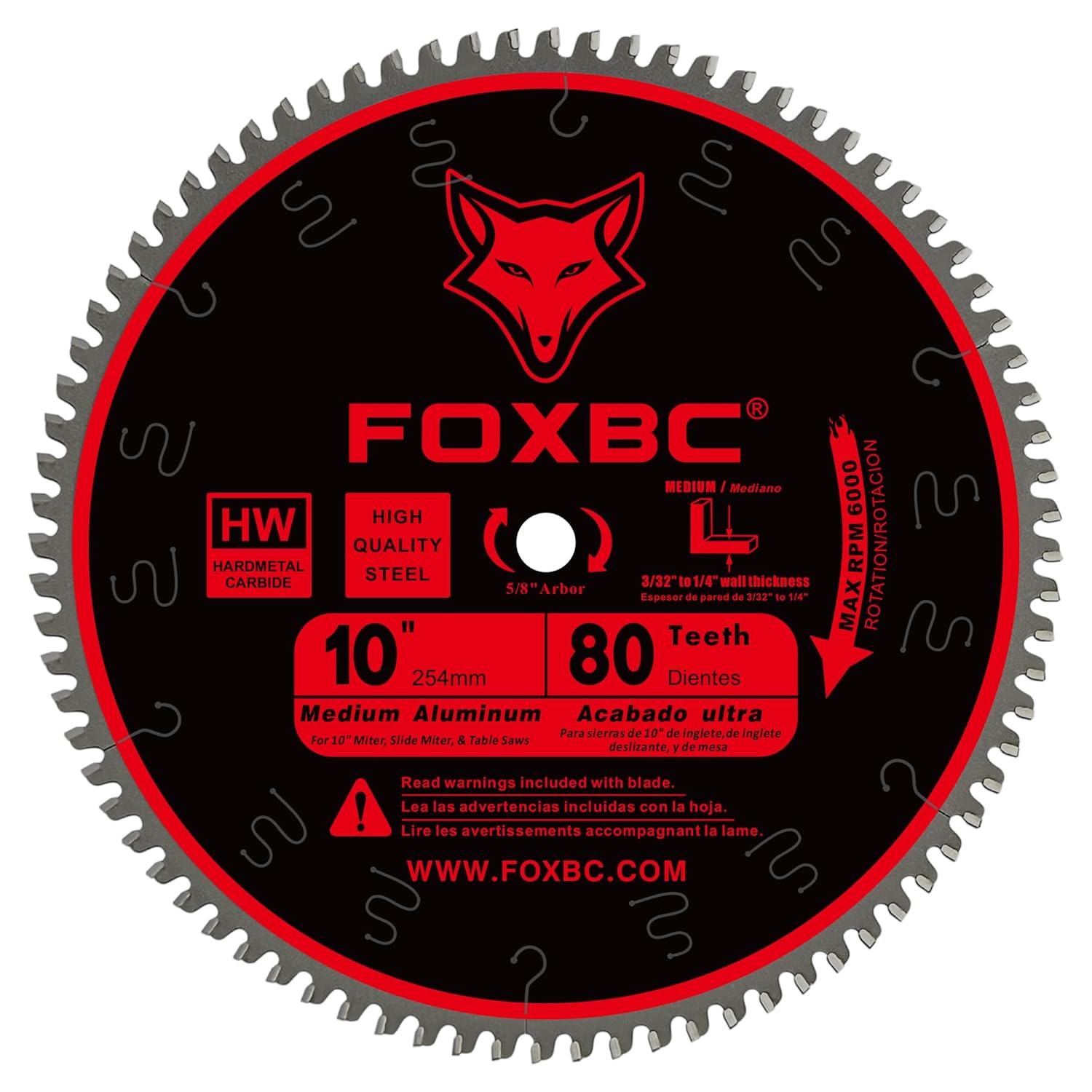
Advantages: low upfront cost, and the core geometry, triple-chip grind plus negative hook, is the same fundamental design as the premium blades.
Downsides: carbide quality and edge retention are noticeably lower, so the blade dulls faster under regular use, and dulling brings back the exact melting problem you bought the blade to avoid.
Ideal plastic types: acrylic and PVC for occasional projects, picture frames, small enclosures, and one-off cuts.
Compatibility: check the bore size before buying, since budget blades vary more in fitment than name-brand options.
Who should buy it: homeowners and hobbyists cutting plastic a few times a year who don’t want to spend premium-blade money for infrequent use.
When to avoid it: if you’re cutting plastic weekly or for paying work, the faster dulling will cost you more in re-cuts and wasted material than the price difference with a name-brand blade.
Why These Blades Actually Work

Every blade on this list shares two things: a triple-chip or modified triple-chip grind, and a negative hook angle. That’s not a coincidence. The triple-chip design alternates a flat tooth with a beveled tooth, so the blade shears through material in small, controlled bites instead of tearing through it the way a standard wood blade does. The negative hook angle keeps the teeth from grabbing too aggressively, which is what generates the heat that causes chip welding in the first place.
Cutting Different Plastics: Real Project Scenarios

Cutting Acrylic Sheet
Acrylic is hard and can crack under an aggressive blade, especially on thinner sheets. Use a high tooth count blade like the Oshlun, keep your feed rate slow, and support the sheet fully so it doesn’t flex mid-cut.
Cutting Plexiglas
Plexiglas is a brand name for acrylic, so the same rules apply. The CMT blade in this guide is specifically strong here, since it was designed around thin sheet performance.
Cutting PVC Pipe
PVC pipe cuts differently than flat sheet stock, since you’re cutting through a curved, hollow cross-section rather than a flat panel. A negative hook angle matters even more here, since PVC is softer and gummier than acrylic and melts more readily if the blade grabs too hard. Support the pipe so it can’t roll during the cut.
Cutting HDPE Boards
HDPE is tough and slightly flexible, which means it can push back against the blade more than rigid acrylic. A sharp blade with a negative hook angle prevents the material from grabbing and overheating. Dull blades struggle noticeably more on HDPE than on acrylic.
Cutting Polycarbonate Panels
Polycarbonate, sold under names like Lexan, is impact-resistant but can still melt under a hot blade. It behaves similarly to acrylic for blade selection purposes, though it’s more forgiving of minor cutting mistakes since it doesn’t crack as easily.
Cutting Resin Projects
Cured epoxy resin is a thermoset plastic, meaning it hardens permanently rather than softening under heat like acrylic or PVC. It’s harder and more brittle, so a slightly dull blade that still performs fine on acrylic can cause visible cracking on cured resin. Keep your plastic blade sharp and dedicated if resin work is part of your routine.
Cutting Plastic Laminate
Plastic laminate, the material used on countertops and cabinet faces, cuts cleanly with the same triple-chip blades on this list. The CMT blade specifically notes good results on laminate flooring, making it a reasonable dual-purpose choice if you’re working with both laminate and thin acrylic.
Buying Guide: What Actually Matters
TCG vs. ATB

Table saw blades come in a few standard tooth geometries, and the difference matters more for plastic than almost any other material. ATB, or alternate top bevel, is the standard grind for crosscutting wood, with teeth that alternate angled bevels to slice across wood grain cleanly. It’s a poor choice for plastic, since the aggressive angled teeth tend to grab and chip brittle material. TCG, or triple-chip grind, alternates a flat-topped tooth with a beveled tooth, which shears through hard, brittle, or gummy materials instead of slicing them. That’s why every blade in this guide, along with the general blade fundamentals covered in our Best Table Saw Blade guide, points toward TCG for anything outside standard wood cutting.
Tooth Count

More teeth generally means a gentler, cleaner cut on plastic, since each tooth removes less material per pass. Most dedicated plastic blades run 80 to 100 teeth on a 10-inch blade. Fewer teeth than that and you’re closer to a wood-cutting blade’s aggressive bite, which brings back melting and chipping risk.
Kerf

Kerf is how much material the blade removes as it cuts, essentially the width of the blade’s cutting path. A thinner kerf removes less material and generates less friction, which helps with heat management on plastic. The tradeoff is that thin-kerf blades can flex slightly more under pressure than full-kerf blades, so they benefit from a lighter, steadier feed rate.
Hook Angle
Hook angle controls how aggressively the teeth lean into the material. A standard wood blade has a positive hook angle that bites hard, which is wrong for plastic. Plastic blades use a negative hook angle, typically -2 to -5 degrees, which reduces grab and heat buildup significantly.
Blade Diameter
Most stationary table saws use a 10-inch blade, which is what every recommendation in this guide is built around. If you’re working on a smaller benchtop or jobsite saw, or using a handheld circular saw for the same plastic cutting task, check our Circular Saw Blades for Woodworking guide for how the same tooth-geometry principles apply to smaller 7.25-inch and 8.25-inch blades.
Thin vs. Thick Plastics

Thinner material chips more easily and benefits from higher tooth counts and slower feed rates. Thicker plastic generates more heat over the length of the cut and benefits from a blade that clears material efficiently without excessive teeth slowing the feed rate to a crawl. Match the blade to the thickness you cut most often, not just the type of plastic.
Saw Power
A saw with more horsepower can push through thicker plastic without bogging down, which itself reduces heat buildup, since a struggling motor means the blade spends more time in contact with the material per cut. If you’re working on a lower-powered benchtop or portable saw, slow your feed rate to compensate rather than forcing the cut. It’s also worth checking our Best Portable Table Saw Reviews roundup if you’re deciding whether your current saw has enough power for regular plastic work or if it’s time to size up.
Can I Use a Different Blade Instead?
Can I use a plywood blade to cut plastic?
Not well. Plywood blades are typically ATB or combination grinds built to minimize splintering on wood veneer, not to shear plastic. They’ll usually chip or melt the edge, especially on acrylic.
Can I use a fine-finish crosscut blade?
Fine-finish blades have high tooth counts, sometimes 80 or more, but most use an ATB grind rather than TCG. On thin plastic in a pinch, results can be passable, but they won’t match a dedicated TCG plastic blade, and thicker or more brittle plastic will still chip or melt.
Can I use a combination blade?
General combination blades are built to handle both ripping and crosscutting wood reasonably well, which means they’re not optimized for either job, let alone plastic. Expect mediocre results and a higher chance of melting or chipping compared to a dedicated plastic blade.
Is a non-ferrous metal blade good for plastic?
Yes, surprisingly well. Blades built for aluminum and other non-ferrous metals use the same core combination of triple-chip grind and negative hook angle as dedicated plastic blades, since both materials need that shearing action rather than an aggressive bite. If you already own a non-ferrous blade, it’s a reasonable substitute for occasional plastic cutting.
Common Mistakes People Make

- Using a regular wood blade and blaming the saw when the edge melts or cracks
- Feeding the material too fast, which builds up heat even with the right blade installed
- Using the same blade for wood and plastic, which dulls it faster and brings back melting problems
- Not supporting thin sheets properly, which lets them vibrate and chip during the cut
- Running the saw at full speed on thick acrylic instead of slowing the feed rate down
- Assuming a higher price always means a better result, when tooth count and grind style matter more than the brand name
Setup Tips That Actually Help
Keep your feed rate slow and steady. Rushing the cut is the single biggest reason plastic melts or chips, even with a good blade installed. Support the material fully on both sides of the cut so it doesn’t flex or vibrate, especially with thin acrylic sheet. And if you’re cutting a lot of plastic, keep a separate blade just for that job. Switching between wood and plastic on the same blade shortens its life and brings back the exact problems a good plastic blade is supposed to solve. A zero-clearance insert around the blade also helps reduce chip-out on thin sheet material, which our Table Saw Accessories guide covers in more detail.
Frequently Asked Questions
Can I cut Plexiglas with a wood blade?
You can, but the results usually aren’t good. A standard wood blade has a positive hook angle and fewer teeth than a dedicated plastic blade, which means it grabs the material aggressively instead of shearing through it cleanly. On Plexiglas specifically, that usually means a melted, gummy edge or visible chipping along the cut line. A triple-chip blade with a negative hook angle solves both problems, and it’s a fairly inexpensive fix if you’re cutting Plexiglas even occasionally.
How many teeth should a plastic blade have?
Most dedicated plastic blades run between 80 and 100 teeth on a 10-inch blade. Higher tooth counts, closer to 100, work best on thin, brittle acrylic where chipping is the main risk, since each tooth removes less material per pass. Slightly lower counts around 80 teeth still cut cleanly on most plastics and handle thicker material a bit faster. Going much below 80 teeth starts to bring back the grabbing and melting problems associated with standard wood blades.
Will a carbide blade cut plastic?
Carbide teeth themselves aren’t the deciding factor, since nearly all quality blades, wood or plastic, use carbide tips today. What matters is the tooth geometry and hook angle built around those carbide teeth. A carbide blade with a standard ATB wood-cutting grind will still struggle with plastic. A carbide blade with a triple-chip grind and negative hook angle, like the ones in this guide, is what actually makes the difference.
Should I lubricate the blade when cutting plastic?
It’s not required for most sheet plastics like acrylic or PVC when you’re using the right blade and a reasonable feed rate, but some fabricators use a light application of paste wax or a specialized cutting lubricant on thicker or harder plastics to reduce friction further. If you find yourself needing lubrication regularly to prevent melting, it’s usually a sign the blade is dull or the wrong grind for the material, rather than something lubrication alone should be covering for.
Can I cut plastic without melting it?
Yes, consistently, if you match the right blade to the material and keep your feed rate controlled. Melting happens from heat buildup, which comes from an aggressive hook angle, too few teeth, or feeding the material too fast. A triple-chip blade with a negative hook angle and a steady, unhurried feed rate eliminates most melting issues on standard sheet plastics like acrylic, PVC, and polycarbonate.
Can I use the same blade for wood and plastic?
Technically yes, but it’s not a good idea if you’re cutting either material regularly. Plastic dulls a blade faster than wood does, and a blade that’s been dulled by plastic will start tearing wood grain instead of cutting cleanly. Likewise, a blade that’s been used heavily on wood may have picked up resin buildup that affects how cleanly it shears through plastic. Keeping a dedicated plastic blade, even a budget one, avoids both problems.
Final Recommendation

For most buyers, the Amana Tool LB10801C is the right starting point. It handles the widest range of plastics well, holds an edge through regular use, and its 80-tooth triple-chip grind with a -2 degree hook angle is the exact formula that prevents melting and chipping. Step up to the Freud if you’re running the saw daily, choose the Oshlun if your work is mostly thin, brittle acrylic, reach for the CMT if Plexiglas and vinyl are your main materials, and start with a generic no-melt blade if you’re only cutting plastic a few times a year.
Whichever blade you choose, the same setup habits apply: slow feed rate, full support for thin material, and a blade that stays dedicated to plastic. If you’re building out a broader blade collection for a shop that handles wood, plastic, and other materials, our Best Table Saws for Beginners guide is a useful starting point if the saw itself, not just the blade, is due for an upgrade.

Finlay Connolly is a woodworking enthusiast and power tool specialist with over a decade of hands-on experience in the workshop. As the founder and lead writer at ProTableSawReviews.com, Finlay combines expert knowledge with real-world testing to help woodworkers, DIYers, and professionals choose the best tools for the job. With a sharp eye for detail and a passion for precision, Finlay is committed to providing trustworthy, practical advice backed by years of experience and research in the field. Whether you’re cutting dados or comparing fence systems, you can count on Finlay for honest, reliable reviews that make your next cut your best one.


