

Two years ago, I tried cutting a decorative arch in a cabinet door using my circular saw. Bad idea. The saw grabbed, kicked back violently, and left a jagged mess that looked like I’d attacked the wood with a hatchet. I learned something crucial that day: trying to force a circular saw to do a jigsaw’s job is dangerous, frustrating, and expensive. The jigsaw vs circular saw decision isn’t about which tool is “better”—it’s about understanding which saw matches the cuts you actually need to make.
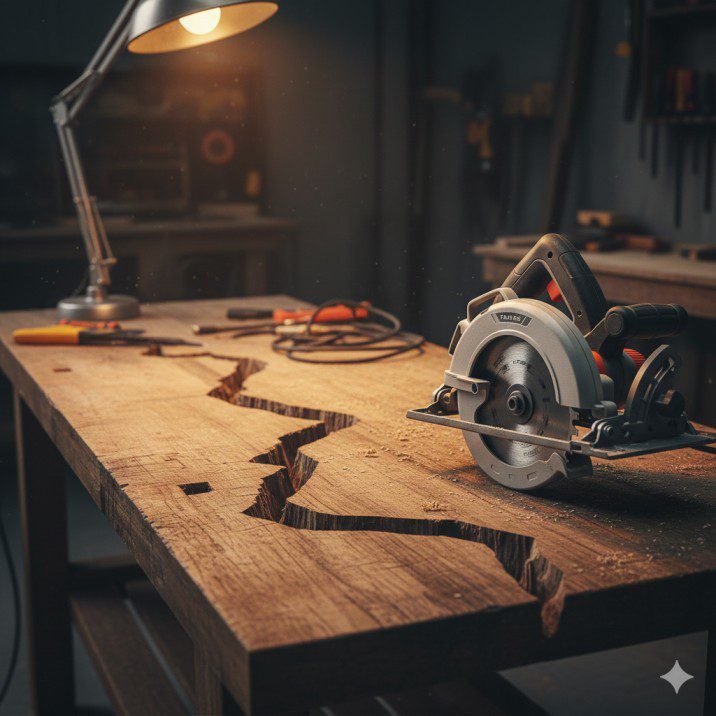
Look, if you’re trying to set up a shop without draining your bank account—or you’re just staring at the tool aisle wondering which saw to grab first—I get it. It’s a lot.
On paper, they seem identical: they’re both handheld, they both cut wood, and every “must-have” list tells you that you need both. But here’s the reality: if you pick the wrong one for the job you’re doing, you’re going to spend the whole day fighting the tool instead of actually building something.
I’ve been woodworking for seven years, and I use both saws regularly—sometimes on the same project. This comparison breaks down the real differences between jigsaws and circular saws based on actual workshop experience, not just manufacturer marketing.
The Fundamental Difference: How Each Saw Actually Cuts
Before comparing features, you need to understand the basic mechanics that make these saws completely different tools.
How Jigsaws Work
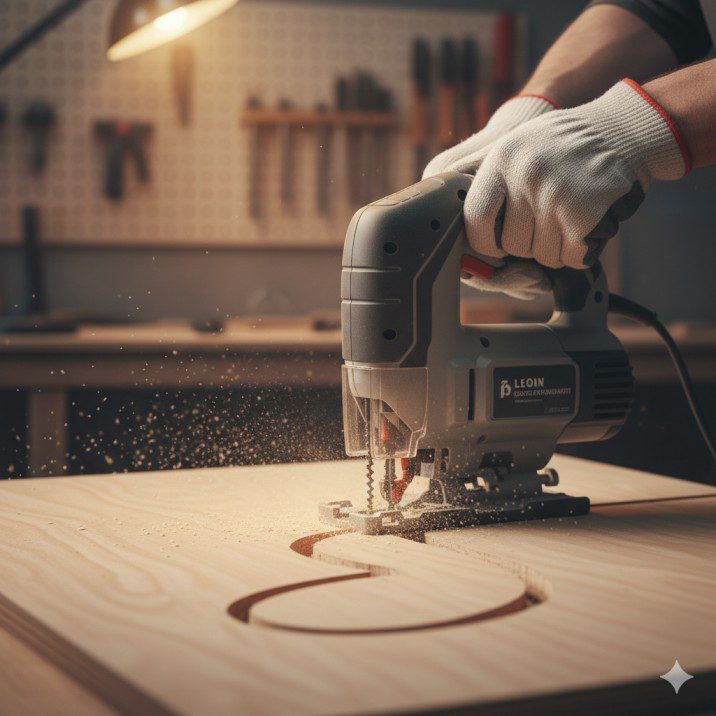
A jigsaw uses a thin, narrow blade that moves up and down rapidly—similar to a sewing machine needle. The blade is only about 1/4 inch wide and cuts as it moves upward through the material.
This reciprocating motion (up and down) means the blade can easily change direction. You can guide the saw along curves, tight corners, and intricate patterns. The narrow blade lets you make cutouts, circular holes, and decorative shapes that would be impossible with other handheld saws.
Think of a jigsaw as the “artist’s saw.” It sacrifices speed and raw power for flexibility and precision on complex cuts.
How Circular Saws Work

A circular saw uses a round blade (typically 7-1/4 inches in diameter) that spins at high speed—around 5,000+ RPM. The blade teeth face forward and cut as the saw moves forward through your material.
This rotating motion creates incredible cutting power. You can rip through 2-inch thick lumber, break down full sheets of plywood, and make long, straight cuts quickly. But that spinning blade wants to travel in straight lines—trying to turn corners or cut curves with a circular saw ranges from difficult to dangerous.
Think of a circular saw as the “workhorse saw.” It prioritizes speed, power, and straight-line cutting efficiency.
The blade motion difference—reciprocating versus rotating—shapes everything else about how these tools perform.
Cutting Capabilities: What Each Saw Actually Does Best
When Jigsaws Excel
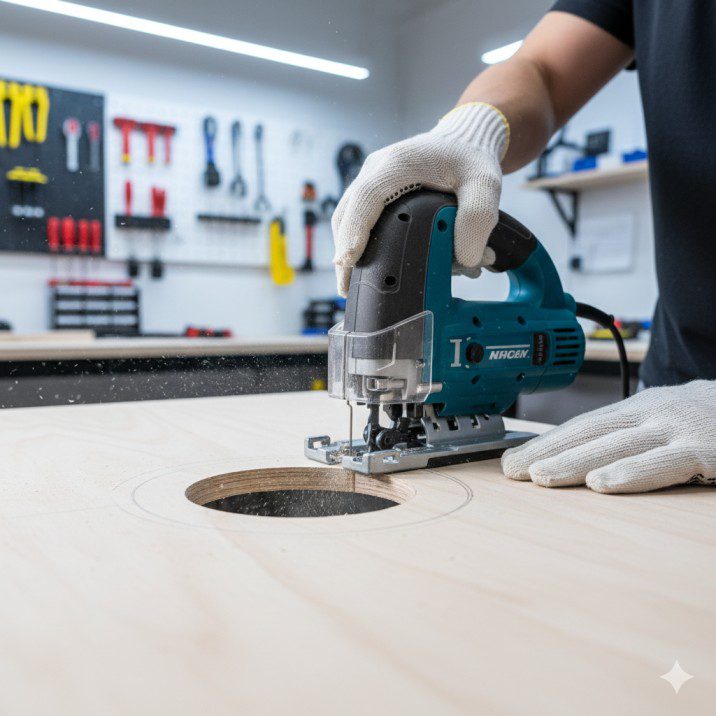
Jigsaws dominate any cutting task involving curves, angles, or interior cutouts:
- Curved cuts – Cutting circles, arcs, or decorative curves in wood, plastic, or thin metal. I used a jigsaw to cut the curved backsplash for my DIY bathroom vanity—impossible with a circular saw.
- Interior cutouts – Cutting sink holes in countertops, openings for electrical outlets, or any hole that doesn’t start at the material’s edge. You drill a starter hole, insert the jigsaw blade, and cut out the shape.
- Tight corners and intricate patterns – The narrow blade navigates tight 90-degree corners and detailed shapes. Perfect for craft projects, decorative trim, or custom furniture details.
- Following templates – When you need to match a specific pattern or trace an outline, jigsaws give you the control to follow complex shapes accurately.
Last month, I built a custom desk with decorative curved edges on the desktop. The jigsaw cut those smooth arcs perfectly. A circular saw couldn’t have made those cuts without elaborate jig setups (and even then, probably not safely).
Where jigsaws struggle: Long straight cuts become tedious. The blade wants to wander slightly, and keeping a perfectly straight line over 4-6 feet requires constant attention and usually a guide. Jigsaws also cut slower than circular saws—cutting through thick hardwood takes patience.
When Circular Saws Excel
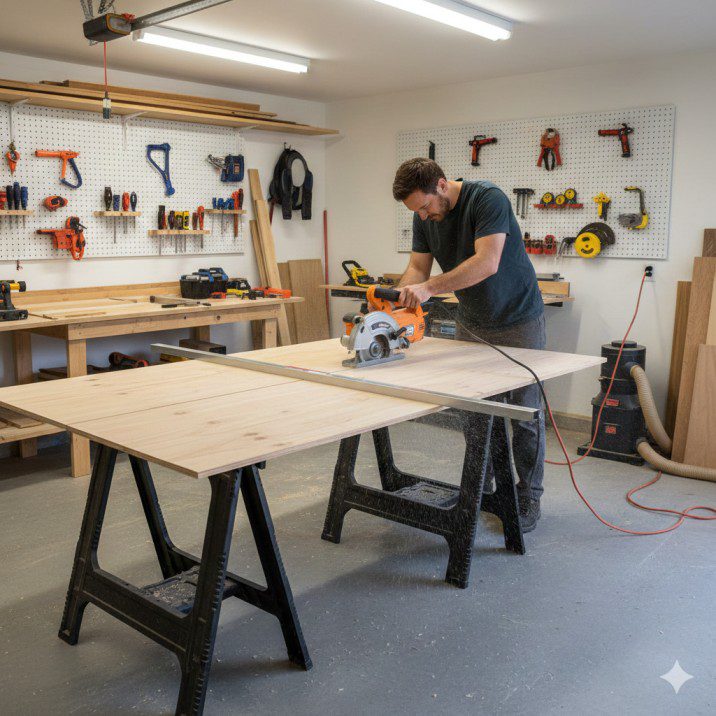
Circular saws handle the high-volume, straight-cutting tasks that jigsaws can’t match:
- Ripping boards lengthwise – Cutting a 2×10 down to 2×6 width, or ripping plywood sheets into narrower strips. The circular saw powers through these cuts quickly.
- Crosscutting dimensional lumber – Cutting 2x4s, 2x6s, or other framing lumber to length. Fast, clean, and efficient.
- Breaking down sheet goods – Full sheets of plywood, MDF, or OSB are too large for most stationary saws. A circular saw lets you cut them down to manageable sizes.
- Long straight cuts – Any cut over 2-3 feet benefits from the circular saw’s speed and power. With a straightedge guide, you get table-saw quality in a portable tool.
When I built my garage storage shelves last year, I used my circular saw to break down six sheets of 3/4-inch plywood into shelf pieces. The jigsaw would’ve taken hours and delivered wavy cuts. The circular saw finished the job in under an hour with clean, straight edges.
Where circular saws struggle: Anything involving curves or non-straight cuts. You can make limited bevel cuts (angled cuts), but trying to cut circles or follow irregular patterns with a circular saw is asking for trouble.
| Cutting Task | Jigsaw | Circular Saw |
|---|---|---|
| Curved Cuts | Excellent | Impossible |
| Straight Cuts (short) | Good with guide | Excellent |
| Straight Cuts (long) | Difficult | Excellent |
| Interior Cutouts | Excellent | Impossible |
| Thick Lumber | Slow but capable | Fast and easy |
| Plywood Sheets | Poor choice | Excellent |
| Detailed Patterns | Excellent | Impossible |
Accuracy and Edge Quality: Which Delivers Cleaner Cuts?
Both saws can deliver quality cuts, but the definition of “quality” depends on the cut type.
Jigsaw Accuracy
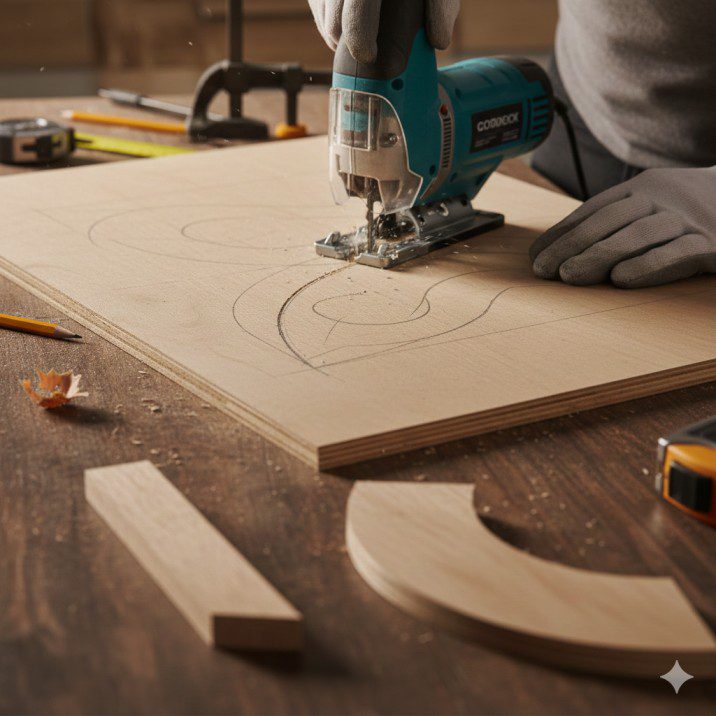
For curved cuts, jigsaws are unmatched. I can follow a pencil line on a curve within 1/16 inch pretty consistently with practice. The slow cutting speed and good visibility make it easy to steer accurately.
For straight cuts, jigsaws require more skill. The blade can deflect slightly, causing the cut to drift off your line. Even with a straightedge guide, maintaining perfect straightness over 3+ feet is challenging.
Edge quality issues with jigsaws:
- The blade cuts on the upstroke, which can cause splintering on the top surface of your material
- Blade deflection can create slightly angled cuts instead of perfectly perpendicular edges
- Aggressive cutting (pushing too hard) creates rougher edges that need sanding
I’ve learned to flip my material good-side-down when using a jigsaw on finish work. The splintering happens on the side facing up (now the back), protecting the visible surface.
Circular Saw Accuracy
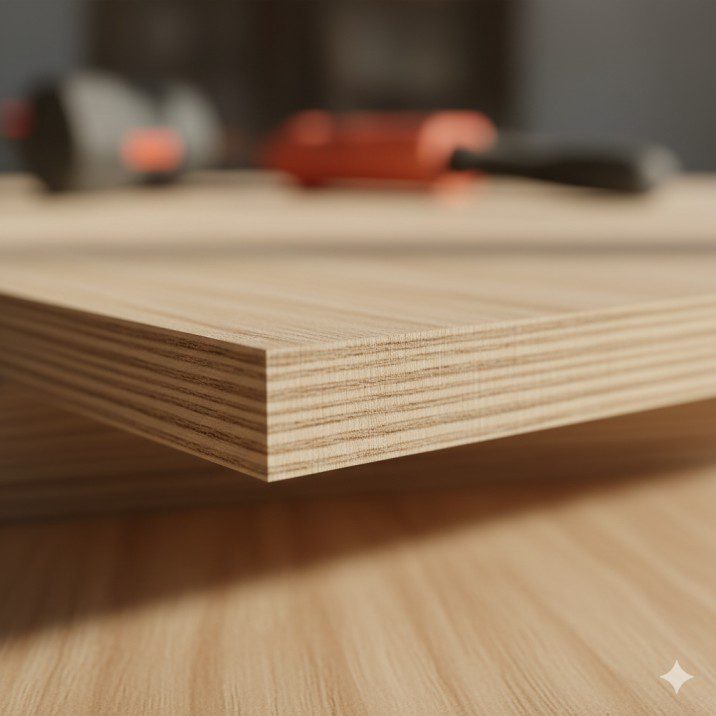
For straight cuts, circular saws are incredibly accurate when used with a guide. I regularly make rip cuts on plywood that are straight enough for visible furniture edges with minimal cleanup.
Freehand circular saw cuts (without a guide) are decent for rough carpentry but rarely match guided cuts. The saw wants to follow a straight path, which helps, but small variations in pressure cause drift.
Edge quality with circular saws:
- The blade rotates upward through the material, causing tearout on the top surface (opposite of jigsaws)
- With the right blade (40-60 teeth), edge quality approaches table saw quality
- Consistent feed speed prevents burning—a common problem when you move too slowly
The bottom line: jigsaws win for curved accuracy, circular saws win for straight-line precision. Neither tool is inherently “more accurate”—they’re accurate at different tasks.
Safety Comparison: Which Saw Is More Beginner-Friendly?
Both saws can cause serious injuries if misused, but they present different safety challenges.
Jigsaw Safety

Jigsaws are generally considered safer for beginners, and I agree with that assessment. The smaller blade, slower cutting speed, and better visibility reduce several common risks.
Why jigsaws feel safer:
- The blade is narrow and moves up-and-down, not spinning aggressively
- Kickback risk is minimal compared to circular saws
- You have excellent visibility of your cut line and blade position
- The tool is lighter and easier to control with one or two hands
- Lower noise levels reduce fatigue and stress
That said, jigsaws aren’t injury-proof. The biggest danger I’ve encountered is the blade catching and violently shaking the saw if it binds in thick material. This is startling but rarely results in serious injury if you maintain proper grip.
My closest call: The blade broke mid-cut in hardwood. The broken piece flew up and grazed my forearm. Now I always wear long sleeves and safety glasses when using a jigsaw, even for “quick cuts.”
Circular Saw Safety
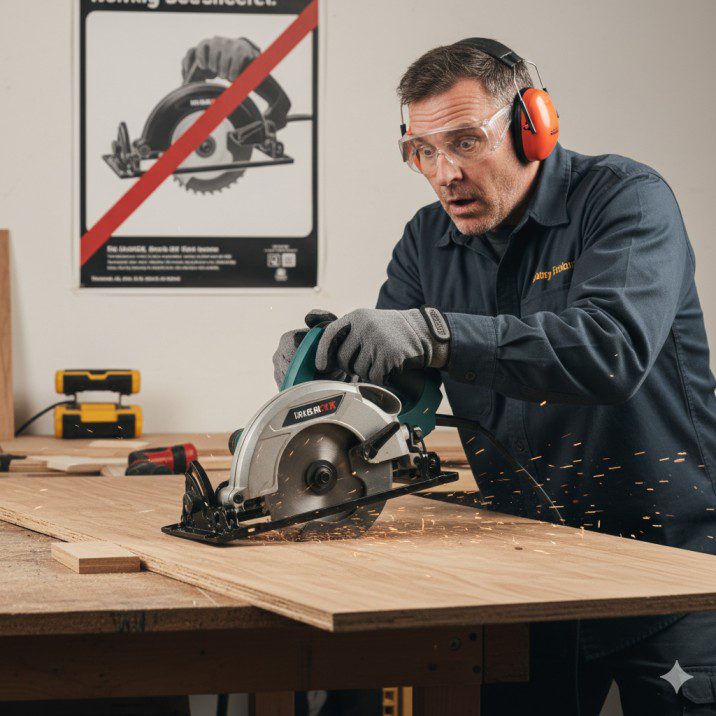
Circular saws demand more respect. The spinning blade, higher power, and kickback potential make them less forgiving of mistakes.
Primary circular saw hazards:
- Kickback – If the blade binds in the cut, the saw can violently jump backward toward you. This is the most dangerous circular saw risk.
- Blade exposure – More of the blade is exposed during cutting compared to enclosed saws like miter saws
- One-handed operation temptation – Circular saws need both hands. Period. I’ve watched people try one-handed cuts and lose control.
- Lower blade guard issues – If the spring-loaded guard catches on material, it can jam open, leaving the blade exposed
I’ve experienced kickback twice in seven years—both times because I rushed and didn’t support the material properly. The saw jumped back about 6 inches before I could release the trigger. Scary as hell, but I wasn’t injured because I positioned myself correctly (to the side, not behind the saw).
Essential safety practices for both saws:
- Always wear safety glasses and hearing protection
- Clamp your workpiece—never hold it by hand while cutting
- Unplug or remove the battery when changing blades
- Keep both hands on the saw until the blade stops completely
- Never reach under the material while the blade is moving
If I’m teaching someone to use power saws for the first time, I start with a jigsaw. It builds confidence and teaches basic saw handling without the intimidation factor of a circular saw.
Portability and Workshop Space: Which Fits Your Setup?
Jigsaws: Compact and Convenient
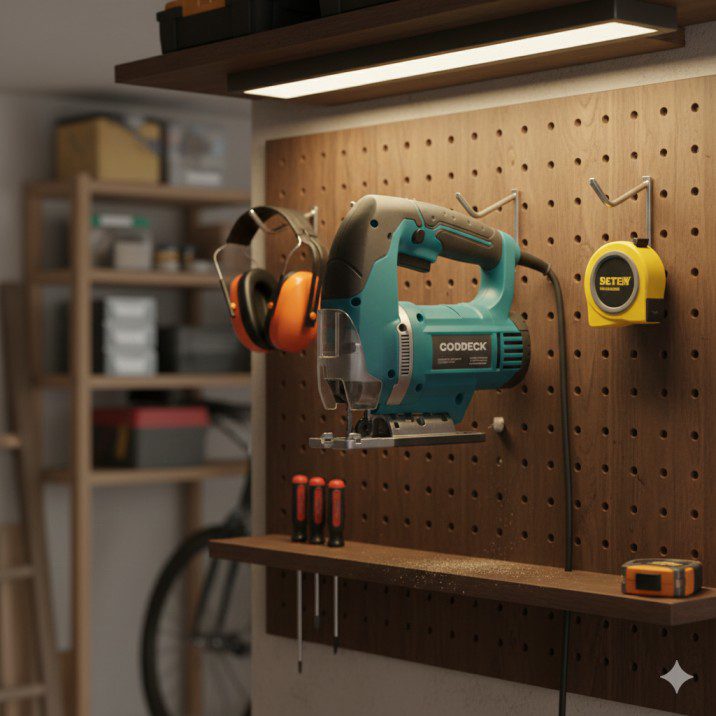
Jigsaws are wonderfully portable. Most weigh 5-7 pounds and store in a small case or drawer. My jigsaw hangs on a pegboard hook and takes up maybe 10×8 inches of wall space.
For small workshops, apartments, or garages where every square foot matters, jigsaws are space-efficient. You can store them almost anywhere and pull them out when needed.
The lightweight design also reduces fatigue. I can use my jigsaw for extended cutting sessions without my arms getting tired—something I can’t say about heavier tools.
Circular Saws: Reasonable Portability
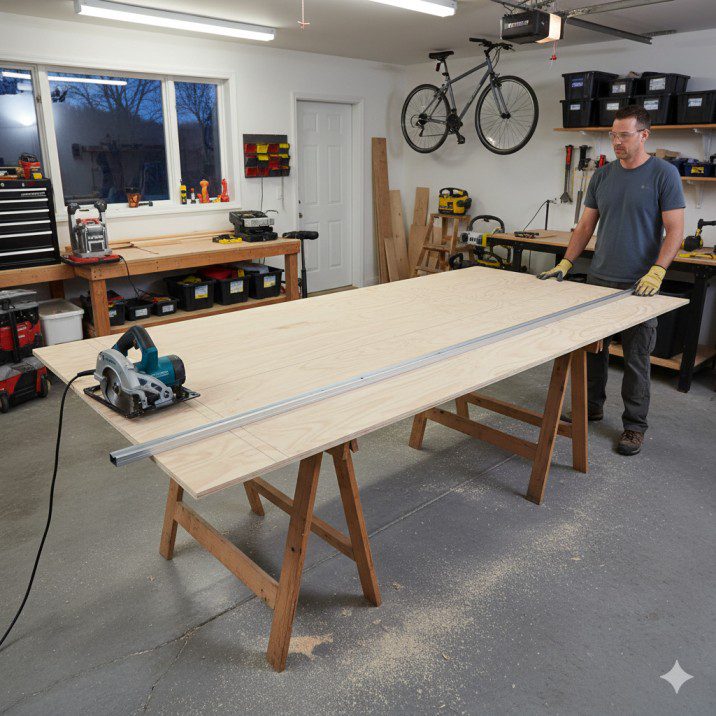
Circular saws are slightly larger and heavier (8-11 pounds typically), but still very portable. They store in a similar footprint to jigsaws and are easy to transport.
The bigger consideration is workspace needed during use. When ripping an 8-foot board or breaking down plywood, you need space to support the material on both sides of the cut. This requires sawhorses or a large work surface.
Jigsaws need less supporting infrastructure—you can often work on a smaller table or even on the floor for certain cuts.
Both saws are infinitely more portable than stationary tools like table saws or miter saws. If you’re working in different locations (jobsite work, helping friends, cutting lumber at the hardware store parking lot), both jigsaws and circular saws travel easily.
Cost Comparison: Initial Investment and Long-Term Value
Entry-Level Pricing (2026)
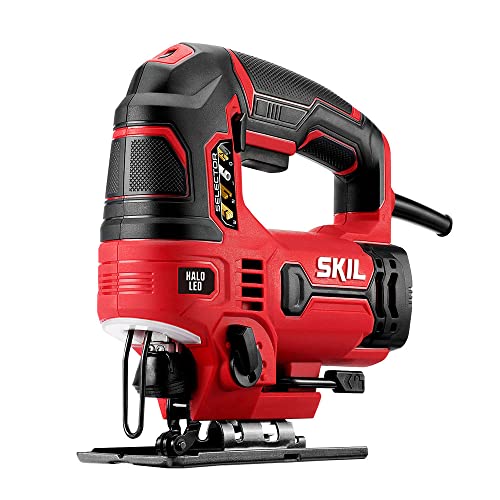
SKIL 6 Amp Corded Jig Saw- JS314901
- High cutting efficiency– The 4-stage orbital function allows smooth cutting ability across different materials and applications.
- Speed control– The 2-finger trigger provides increased control.
- Quick adjust angled cutting– adjust the shoe bevel for angled cutting without the need for a tool.
List Price :
Offer: 44.00 $
Go to Amazon- Basic jigsaw: $40-70 (Black+Decker, Skil, or similar brands)
- Basic circular saw: $50-80 (Skil, Ryobi, or similar brands)
At the entry level, jigsaws have a slight price advantage, though the difference is minimal. Both tools are accessible for budget-conscious beginners.
Mid-Range Quality (Recommended)

DEWALT 20V MAX Circular Saw, Cordless Sidewinder Style Portable, 6-1/2-Inch Blade, 5150 RPM, 0-50 Degree Bevel Capability, Battery Not Included (DCS391B)
- 5150 RPM motor delivers power and speed to make the most demanding cuts with ease
- High strength and lightweight magnesium shoe provides jobsite durability for long-term cut accuracy
- Optimized rubber over molded comfort grip delivers optimal balance and control of electric saw for wood cutting
List Price :
Offer: 129.00 $
Go to Amazon- Quality jigsaw: $90-150 corded, $120-180 cordless (Bosch, DeWalt, Makita)
- Quality circular saw: $130-180 corded, $180-280 cordless (Makita, DeWalt, Milwaukee)
This is where I recommend people invest. Mid-range tools deliver reliability, better safety features (electric brakes, improved guards), and longevity. My Bosch jigsaw cost $110 five years ago and still runs perfectly.
Blade Costs
This is often overlooked but matters over time:
- Jigsaw blades: $1-3 per blade typically. I buy 10-packs for $15-20 and they last months.
- Circular saw blades: $20-50 for quality blades. They last longer than jigsaw blades but cost more upfront.
Jigsaw blades are cheaper individually, but you’ll go through them faster because they’re thinner and more fragile. I probably spend about the same on blades for each saw annually.
Value Proposition
If you can only afford one saw right now and need maximum versatility for general DIY projects, the circular saw delivers more capability per dollar. It handles more of the common cutting tasks (crosscuts, ripping, breaking down lumber).
But if your projects lean toward creative work, furniture details, or anything involving curves, the jigsaw might provide more value despite having fewer total capabilities.
Want to dive deeper into choosing the right saw? Check out our comprehensive buying guide for detailed selection criteria, or browse our expert saw reviews for hands-on testing results.
Which Projects Need Which Saw?
Jigsaw Projects

- Cutting sink or cooktop openings in countertops
- Making decorative curved cuts in furniture or trim
- Cutting outlet holes in drywall or paneling
- Craft projects with intricate patterns
- Cutting PVC pipe or thin metal (with appropriate blades)
- Trimming laminate flooring around door frames
- Creating custom shapes for children’s toys or decorations
Circular Saw Projects

- Building decks (cutting deck boards and joists)
- Framing walls (cutting studs and plates)
- Breaking down plywood sheets for cabinets or shelving
- Ripping boards to custom widths
- Cutting hardwood flooring to length
- Building outdoor furniture with straight-line joinery
- Any project involving lots of dimensional lumber (2x4s, 2x6s, etc.)
Projects Where Either Works (But One Is Easier)
Crosscutting a single 2×4 to length? Both saws can do it. The circular saw is faster and cleaner. The jigsaw is quieter and less intimidating.
Making a straight cut on a small piece of plywood? Both work, but the circular saw delivers better edge quality with less effort.
For my bathroom renovation, I needed both saws: jigsaw for cutting the curved vanity top and outlet holes, circular saw for cutting down the plywood panels and framing lumber. Neither saw alone could’ve completed that project efficiently.
Blade Selection: What Actually Matters
Jigsaw Blades
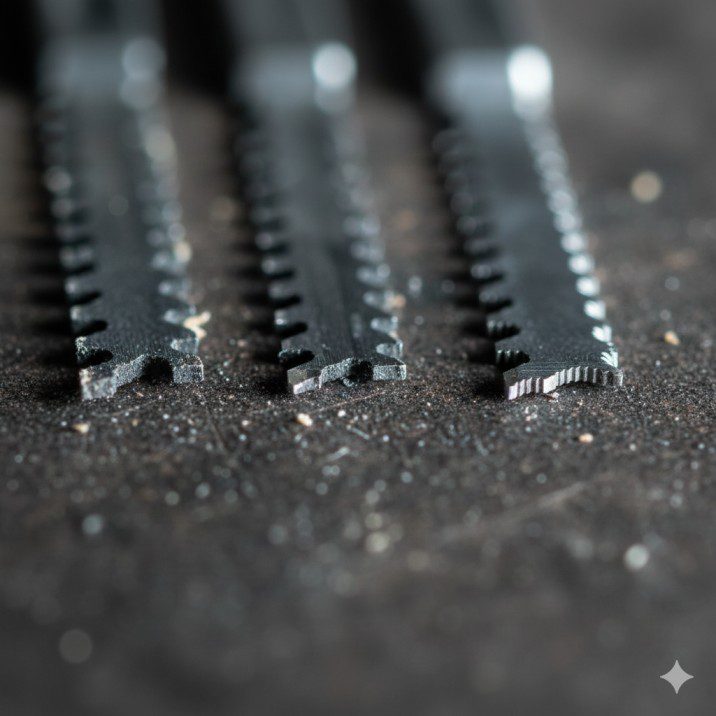
Jigsaw blades are specific to material type and cutting style. Key factors:
- TPI (Teeth Per Inch): Higher TPI (12-20) for smooth cuts in wood, lower TPI (6-10) for fast cutting or thicker material
- Blade length: Match to material thickness. Standard blades are 3-4 inches long.
- Tooth direction: Most blades cut on the upstroke. Reverse-tooth blades cut on the downstroke for less top-surface splintering.
- Material-specific blades: Wood-cutting, metal-cutting, and specialty blades for tile or plastic
I keep an assortment pack of jigsaw blades in my shop. They’re cheap enough that having variety makes sense—grab the right blade for each job.
Circular Saw Blades

Circular saw blade selection matters more because the blade costs more. Key categories:
- Ripping blades: 24 teeth, designed for cutting with the grain
- Crosscut blades: 60-80 teeth for smooth cuts across the grain
- Combination blades: 40-50 teeth, decent for both ripping and crosscutting (this is what I use 90% of the time)
- Specialty blades: Metal-cutting, masonry, or fine-finish blades for specific materials
Most circular saws come with cheap 24-tooth framing blades. Upgrading to a quality 40-tooth combination blade ($20-25) transforms cutting performance dramatically.
The Honest Recommendation: Which Should You Buy First?
After seven years of using both saws across hundreds of projects, here’s my straight answer to the jigsaw vs circular saw question:
Buy a circular saw first if:

- Your projects involve lots of straight cuts (framing, decks, shelving)
- You’re working with plywood or need to break down large sheet goods
- Speed and efficiency matter more than decorative details
- You’re doing rough carpentry, outdoor construction, or renovation work
- You need one versatile saw that handles the widest range of common cutting tasks
Jigsaw Buy first if:

- Your projects are more craft-oriented (decorative pieces, custom furniture details)
- You need to make interior cutouts (sink holes, outlet openings)
- Curves, circles, and intricate patterns are common in your work
- You’re a complete beginner and want the least intimidating power saw to start with
- Workshop space is extremely limited
Buy both when:
- You’re serious about woodworking and tackle varied projects
- Your budget allows for building a complete tool collection
- You’ve identified specific needs for both straight-cutting power and curved-cutting flexibility
For the typical DIY homeowner tackling varied home improvement projects, I recommend starting with a circular saw ($130-180) and adding a jigsaw ($90-150) within the first year. Together, these two saws cover probably 90% of all cutting needs.
My personal journey: I bought a circular saw first because I was building outdoor furniture and shelving. It handled 80% of my cutting for the first two years. When I started kitchen and bathroom renovations that required cutouts and detailed work, I added a jigsaw. Now I use both regularly, sometimes on the same project.
If you’re genuinely torn and can only afford one saw, get the circular saw. It handles more of the foundational tasks. You can work around the lack of a jigsaw with careful planning and alternative tools (oscillating multi-tool for small cutouts, for example). Working around the lack of a circular saw is much harder.
Ready to compare specific models? Visit our detailed saw comparison guides or learn essential techniques in our how-to tutorial section.
Frequently Asked Questions
Can a jigsaw make straight cuts like a circular saw?
Yes, but not as easily or accurately. Jigsaws can make straight cuts when used with a straightedge guide or clamped fence, but the narrow blade tends to wander slightly on long cuts. For occasional short straight cuts (under 2 feet), a jigsaw works fine. For breaking down plywood sheets or making long rip cuts, a circular saw is significantly faster and delivers cleaner, straighter edges. The jigsaw’s strength is curves and intricate shapes, not straight-line cutting.
Which saw is safer for a beginner?
Jigsaws are generally safer for beginners. They have slower cutting speeds, better visibility of the blade and cut line, minimal kickback risk, and lighter weight for easier control. The narrow reciprocating blade is less intimidating than a spinning circular saw blade. However, both tools require proper safety practices including eye protection, secure workpiece clamping, and two-handed operation. Beginners should receive proper instruction before using either saw, but jigsaws present fewer severe injury risks during the learning curve.
Can a circular saw cut curves?
No, circular saws cannot cut curves safely or effectively. The large spinning blade is designed exclusively for straight-line cutting. Attempting to turn corners or follow curved lines with a circular saw is dangerous and will likely result in blade binding, kickback, or damaged materials. For any cut involving curves, circles, or irregular shapes, you need a jigsaw, band saw, or coping saw. Circular saws excel at straight cuts including crosscuts, rip cuts, and bevels, but they’re the wrong tool for anything non-linear.
What cuts more accurately: jigsaw or circular saw?
It depends on the cut type. Circular saws are more accurate for straight cuts—when used with a guide, they deliver near-table-saw precision on long rip cuts and crosscuts. Jigsaws are more accurate for curved cuts and intricate patterns where following irregular lines matters more than perfectly straight edges. For straight cuts, expect circular saws to be accurate within 1/32 inch over several feet. For curved cuts, expect jigsaws to follow pencil lines within 1/16 inch with practice. Choose the tool that matches your accuracy requirements for the specific cut type.

Finlay Connolly is a woodworking enthusiast and power tool specialist with over a decade of hands-on experience in the workshop. As the founder and lead writer at ProTableSawReviews.com, Finlay combines expert knowledge with real-world testing to help woodworkers, DIYers, and professionals choose the best tools for the job. With a sharp eye for detail and a passion for precision, Finlay is committed to providing trustworthy, practical advice backed by years of experience and research in the field. Whether you’re cutting dados or comparing fence systems, you can count on Finlay for honest, reliable reviews that make your next cut your best one.