
Best Circular Saw for Cutting Aluminum in 2026: Top Picks
Best circular saw for cutting aluminum: top options compared for clean cuts, less blade gumming, chip control and jobsite use.

In this article
- The Problem With Cutting Aluminum on a Regular Circular Saw
- Quick Recommendations
- Evolution S185CCSL — Best Overall for Aluminum
- Evolution S210CCS Metal Cutting Circular Saw
- DeWalt DCS383B 20V Max XR — Best Cordless Option
- DEWALT DCS383B 20V MAX XR Metal Cutting Circular Saw
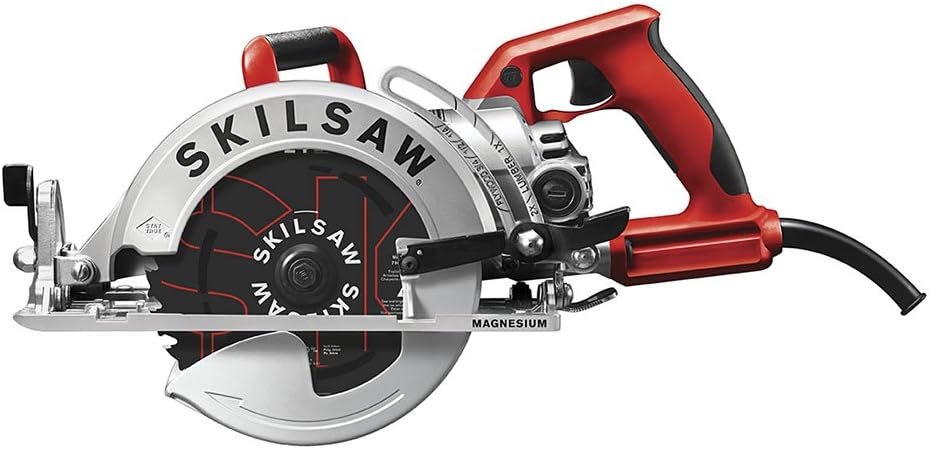
- Skilsaw SPT77WML-01 — Best for High-Volume Cutting
- SKILSAW SPT77WML-01 Lightweight Worm Drive Circular Saw
- Genesis 5.8 Amp 4-3/4″ Metal Cutting Saw — Best Budget Option
- Genesis GMCS547C Compact Metal Cutting Circular Saw
- The Blade-Swap Approach: Using a Standard Circular Saw
- What Actually Matters When Choosing an Aluminum-Cutting Saw
- Common Mistakes Buyers Make
- Which One Should You Buy
- Final Thoughts
The Problem With Cutting Aluminum on a Regular Circular Saw
Aluminum doesn’t behave like wood, and it doesn’t behave like steel either. It’s soft enough to cut fast, but it’s also sticky. The heat from the blade melts a thin layer of the material as you cut, and that melted aluminum welds itself right onto the teeth. A few cuts in, your blade is loaded up with gummy metal, cutting slower, running hotter, and grabbing instead of slicing.

If you’ve ever tried running aluminum angle or extrusion through a wood-cutting circular saw, you already know the result: a blade that binds, chips that come off scalding hot, and an edge that looks torn instead of cut. This happens because most circular saws spin too fast for metal and use a tooth grind meant for wood fiber, not soft non-ferrous metal.
The saws in this guide are built or equipped specifically to deal with that. Some are purpose-built metal-cutting saws with slower gearing and enclosed chip paths. Others are standard saws that perform well once you put the right blade on them. Both approaches work. What matters is matching the saw to how often you’re actually cutting aluminum.
Quick Recommendations
Best overall for aluminum: Evolution S185CCSL
Best cordless option: DeWalt DCS383B 20V Max XR
Best for high-volume, all-day cutting: Skilsaw SPT77WML-01 worm drive
Best budget / occasional-use option: Genesis 5.8 Amp 4-3/4″ metal cutting saw
Best if you already own a good saw: any solid 7-1/4″ circular saw paired with a dedicated aluminum-cutting blade
Evolution S185CCSL — Best Overall for Aluminum

This is a purpose-built metal cutting saw, not a wood saw with a metal blade bolted on. The gearing is set up for metal cutting speeds from the factory, which is the biggest difference between this and a repurposed carpentry saw.
It runs a 15 amp motor and comes with a 40-tooth TCT blade rated for dry cutting, meaning no cutting fluid or lubricant needed. At 11.4 pounds it’s light enough to run one-handed on overhead or awkward cuts, which matters when you’re cutting angle stock or extrusion that isn’t sitting flat on a bench.
Where it earns its spot as the top pick: the cut quality on standard aluminum angle and extrusion comes out clean enough to weld without filing the edge first. The blade guard channels chips away from your line of sight, which matters more than it sounds like it would when you’re following a cut line on reflective aluminum under shop lights.
Where it falls short: aluminum plate thicker than about 1/4 inch pushes past what the included blade handles comfortably. You’ll want to step up to a premium aluminum-specific blade for that. It’s also corded, so you’re tied to an outlet or extension cord, which is a real limitation on some jobsites.

Best for: fabricators and serious DIYers cutting aluminum regularly, HVAC techs cutting ductwork, and anyone who’s been fighting a wood saw through metal and is ready for a tool built for the job.
DeWalt DCS383B 20V Max XR — Best Cordless Option

If you need to move around a jobsite without dragging a cord, this is the pick. It’s a 7-1/4 inch cordless metal-cutting circular saw with built-in chip collection and a cut designed to reduce sparking, which matters if you’re working anywhere near flammable material or in a space where flying sparks are a liability.
The battery platform is the trade-off here. Runtime on thicker aluminum stock will eat into your battery faster than framing lumber would, since metal cutting draws more sustained current than ripping wood. If you’re already invested in the 20V Max platform for other tools, this slots in without adding a new battery ecosystem to manage. If you’re starting from scratch, factor battery and charger cost into the real price.
Best for: contractors and technicians who need to move between rooms or job sites without hunting for an outlet, and who already have batteries for this platform.

Skilsaw SPT77WML-01 — Best for High-Volume Cutting

This worm drive saw isn’t marketed purely as a metal saw. It’s a dual-purpose wood and metal cutter, and independent lab testing has clocked it as the fastest metal-cutting saw in its class. That extra torque from the worm drive gearing translates directly into faster feed rates on aluminum stock without bogging down.
The trade-off with worm drive saws in general is weight and balance. They’re built nose-heavy, which is great for controlled, sustained cuts but tiring if you’re making short, repetitive cuts overhead or at odd angles all day. If you’re cutting long runs of aluminum stock in a shop setting, that weight works in your favor. If you’re crawling through a crawlspace or working overhead, it won’t.
Best for: shops and contractors doing high-volume cutting where speed and torque matter more than saw weight, and who don’t mind adjusting to a worm drive’s handling if they’re used to sidewinder-style saws.
Genesis 5.8 Amp 4-3/4″ Metal Cutting Saw — Best Budget Option

At 5.9 pounds and running a 5.8 amp motor with triple gear reduction at 3,500 RPM, this is a compact, lighter-duty saw built for occasional metal cutting rather than daily production work. It handles mild steel, aluminum, and copper without excessive sparking or heat, and the smaller blade diameter makes it easier to control one-handed.
The compromise is capacity. The smaller blade and lower-powered motor mean thicker stock and long, continuous cuts take more time and patience than they would on a full-size 7-1/4 inch saw. If your aluminum cutting is occasional, this is a reasonable entry point without spending pro-tool money.
Best for: homeowners and hobbyists who cut aluminum occasionally, like fabricating brackets, trimming extrusion, or building small metal frames, and don’t want to invest in a full-size metal cutting saw.

The Blade-Swap Approach: Using a Standard Circular Saw

If you already own a solid 7-1/4 inch circular saw, you don’t necessarily need to buy a dedicated metal saw to cut aluminum well. Swapping in a blade built specifically for aluminum, with the right tooth count and carbide grade, gets you most of the way there. This is the same logic covered in our guide to cutting concrete with a circular saw, where the right blade turns a general-purpose saw into a specialized tool without buying new equipment.
The catch is RPM. Most wood-cutting circular saws spin at 5,000 to 6,500 RPM, which is faster than ideal for aluminum. You can still get clean cuts at that speed with a good blade, but you’ll generate more heat and burn through blade life faster than a saw geared specifically for metal. For a deeper look at how tooth count and grind affect cut quality across materials, our circular saw blades for woodworking guide covers the same principles that apply when picking a metal blade, just applied to a different material.
What Actually Matters When Choosing an Aluminum-Cutting Saw
Blade Speed (RPM)

Lower RPM is better for aluminum. High-speed wood-cutting RPMs generate more friction heat, which is exactly what causes aluminum to gum up on the teeth. Purpose-built metal saws run slower for this reason, not because they’re underpowered.
Blade Type and Tooth Count

You want a carbide-tipped blade with a tooth design meant for non-ferrous metal, not a standard wood combination blade. Higher tooth counts generally give a cleaner edge on thinner aluminum sheet, while lower tooth counts with more aggressive gullets clear chips faster on thicker stock. If you’re building out a blade collection for a shop that handles multiple materials, our best table saw blade guide is a useful companion, since a lot of the tooth-geometry logic carries over even though that guide is written around table saw blades specifically.
Chip Management

Aluminum chips are hot, sharp, and they stick to everything, including skin. Saws with enclosed chip channels or dust ports that connect to extraction keep those chips away from your hands and eyes instead of spraying them across the work area. This matters more on aluminum than on wood, where a shop vac hooked to your saw is mostly about keeping the floor clean rather than avoiding injury.
Corded vs. Cordless

Corded saws hold consistent power through long cuts and don’t lose speed as a battery drains. Cordless saws win on mobility, especially on jobs where running a cord isn’t practical. For aluminum specifically, sustained cutting draws more current than wood, so battery runtime drops faster than you’d expect if you’re used to cutting lumber with the same platform.
Dry-Cut vs. Wet-Cut Capability

Most circular saws marketed for metal cutting are dry-cut designs, meaning no cutting fluid is needed during the cut. That’s a convenience win for portability, since you’re not managing a coolant reservoir on a handheld tool. The trade-off is that dry cutting generates more heat than a lubricated cut would, which is part of why blade selection and RPM matter so much more here than they do cutting wood.
Common Mistakes Buyers Make

- Buying a general-purpose circular saw and assuming any carbide blade will handle aluminum the same way it handles wood
- Running the saw at full wood-cutting speed on aluminum, which melts the edge instead of cutting through it cleanly
- Skipping eye and skin protection because aluminum “isn’t as dangerous” as steel, when the real risk is hot chips embedding in skin or eyes, not sparks
- Not clamping the workpiece securely, which lets thin aluminum stock chatter and grab the blade mid-cut
- Underestimating how fast a blade dulls on thick aluminum plate and trying to push through with a blade that should have been swapped out already
- Choosing a worm drive saw for its power without considering the added weight for overhead or repetitive cutting positions
Which One Should You Buy
If you’re cutting aluminum regularly as part of fabrication or contracting work, the Evolution S185CCSL is the safest recommendation. It’s purpose-built for the job and doesn’t ask you to compromise on cut quality to get portability.
If mobility matters more than raw output, and you’re already on a battery platform, the DeWalt DCS383B gets you there without a cord. If you’re cutting high volumes of aluminum stock in a shop setting and don’t mind the extra weight, the Skilsaw worm drive gives you the fastest cutting speed of the group. And if you’re an occasional user who doesn’t want to invest in a dedicated metal saw yet, either the Genesis budget option or a blade swap on a saw you already own will get the job done without overspending.
One more thing worth knowing if you’re deciding between handheld options and a stationary setup: some woodworkers assume a table saw with the right blade could handle aluminum sheet too. It can, in limited situations, but the safety considerations change significantly with a fixed blade and a fence. If that question comes up for your shop, it’s worth reading our Evolution Table Saw Review, since Evolution builds both their circular saws and their table saws around the same multi-material blade technology, and the review covers how that plays out on a stationary saw.
Final Thoughts
Cutting aluminum well comes down to matching blade speed and tooth design to the material, not just buying the most powerful saw you can find. A purpose-built metal cutting saw removes most of the guesswork. A well-chosen blade on a saw you already own gets you close enough for occasional work. Either way, don’t skip the chip management and don’t run it at wood-cutting speed. That’s where most of the bad cuts and most of the injuries come from.

Finlay Connolly is a woodworking enthusiast and power tool specialist with over a decade of hands-on experience in the workshop. As the founder and lead writer at ProTableSawReviews.com, Finlay combines expert knowledge with real-world testing to help woodworkers, DIYers, and professionals choose the best tools for the job. With a sharp eye for detail and a passion for precision, Finlay is committed to providing trustworthy, practical advice backed by years of experience and research in the field. Whether you’re cutting dados or comparing fence systems, you can count on Finlay for honest, reliable reviews that make your next cut your best one.


